

How Accurate Are Career Aptitude Tests?
Published on: June 28, 2026
By : Ariadna Miles
How Accurate Are Career Aptitude Tests?
Introduction
Many people wonder whether career aptitude tests are truly useful or simply entertaining quizzes. If you've ever asked yourself, "Can a career aptitude test really help me choose a career?" you're not alone.
The short answer is yes—when designed properly, career aptitude tests can provide valuable insights into your strengths, interests, and natural abilities. However, their accuracy depends on several important factors, including the quality of the assessment, the questions used, and how the results are interpreted.
In this guide, we'll explore how career aptitude tests work, what affects their accuracy, and how to get the most value from your results.
What Is a Career Aptitude Test?
A career aptitude test is an assessment designed to identify careers that may suit your abilities, interests, personality traits, and work preferences.
Unlike simple career quizzes, well-designed aptitude assessments use principles from psychology and psychometrics to evaluate multiple aspects of an individual.
Many modern career assessments examine:
- Problem-solving ability
- Logical reasoning
- Personality traits
- Interests and motivations
- Preferred work environments
- Communication and leadership styles
The goal is not to predict your future with certainty but to help you make more informed career decisions.
Are Career Aptitude Tests Accurate?
The answer depends on the quality of the test.
A well-designed career aptitude test can provide meaningful guidance because it measures characteristics that are often linked to career satisfaction and performance.
Research consistently shows that people tend to perform better and remain more satisfied in careers that align with their abilities, interests, and personality traits.
However, no assessment can perfectly predict which job will make someone successful or happy for life.
Career aptitude tests should be viewed as decision-making tools rather than absolute answers.
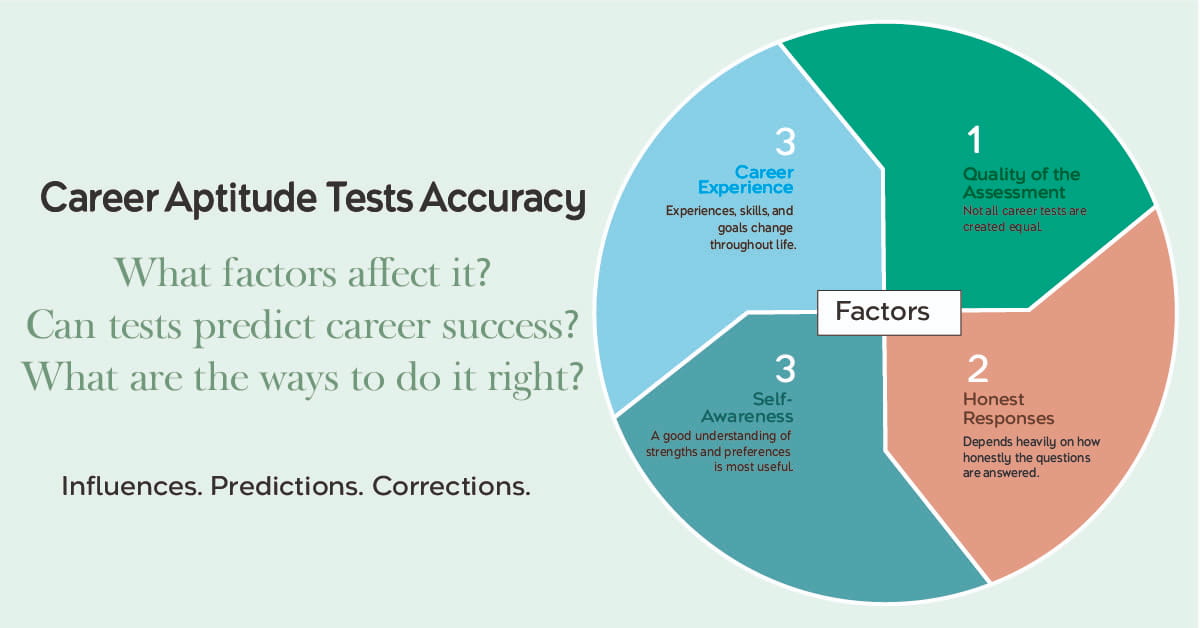
What Factors Affect Accuracy?
Quality of the Assessment
Not all career tests are created equal.
Some online quizzes are designed primarily for entertainment, while others are based on established psychological frameworks and validated assessment methods.
Higher-quality assessments typically:
- Measure multiple dimensions
- Use standardized scoring systems
- Include a larger number of questions
- Provide detailed explanations of results
Honest Responses
The accuracy of any assessment depends heavily on how honestly the questions are answered.
Trying to choose "ideal" answers rather than truthful ones can significantly reduce the usefulness of the results.
The most accurate outcomes occur when users answer naturally and without overthinking.
Self-Awareness
People with a good understanding of their strengths and preferences often receive more useful results because their answers more accurately reflect their real behavior and interests.
Career Experience
A person's career interests can evolve over time.
Someone who takes a career aptitude test at age 16 may receive different recommendations than they would at age 30 because experiences, skills, and goals change throughout life.
Can Career Aptitude Tests Predict Career Success?
Not directly.
Career success depends on many factors, including:
- Education
- Experience
- Motivation
- Work ethic
- Opportunities
- Communication skills
- Adaptability
A career aptitude test cannot measure every factor that contributes to success.
Instead, it helps identify careers that are more likely to align with your natural strengths and preferences.
Career Aptitude Tests vs Personality Tests
Many people confuse a career aptitude test with a personality test.
Personality assessments focus on behavioral tendencies, such as:
- Introversion vs extroversion
- Leadership style
- Emotional tendencies
- Communication preferences
Career aptitude tests often combine personality information with ability and interest measurements to provide more comprehensive career recommendations.
Because of this broader approach, aptitude tests generally offer more practical career guidance.
Career Aptitude Tests vs IQ Tests
An IQ test measure cognitive abilities such as:
- Logical reasoning
- Numerical reasoning
- Pattern recognition
- Abstract thinking
These abilities can influence performance in many careers.
Career aptitude tests often include elements of cognitive assessment but also evaluate interests, personality traits, and work preferences.
For this reason, career aptitude tests provide a more complete picture when exploring potential career paths.
How to Get the Most Accurate Results
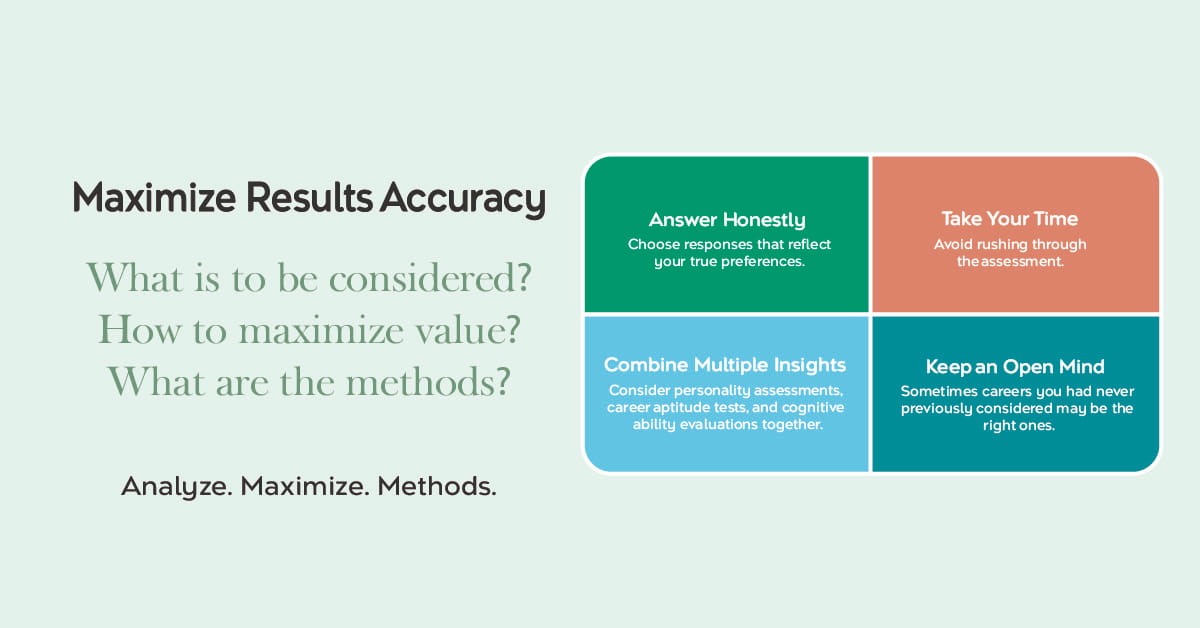
To maximize the value of a career aptitude assessment:
Answer Honestly
Choose responses that reflect your true preferences rather than what you think sounds impressive.
Take Your Time
Read each question carefully and avoid rushing through the assessment.
Keep an Open Mind
The most valuable recommendations are sometimes careers you had never previously considered.
Combine Multiple Insights
Consider personality assessments, career aptitude tests, and cognitive ability evaluations together to build a more complete understanding of yourself.
Why Career Aptitude Tests Remain Valuable
Even though no assessment can guarantee career success, career aptitude tests remain one of the most useful self-discovery tools available.
They can help individuals:
- Identify strengths and weaknesses
- Explore new career options
- Increase confidence in career decisions
- Improve career planning
- Better understand their work preferences
For students, graduates, and professionals alike, career assessments can provide a useful starting point for future decisions.
Conclusion
Career aptitude tests are not perfect predictors of future success, but they can be highly valuable tools for self-discovery and career planning. When based on sound assessment principles and answered honestly, they can provide meaningful insights into careers that align with your strengths, interests, and personality.
The most effective career decisions are usually made by combining aptitude results with personal goals, experience, education, and self-reflection.
If you're exploring career options, a career aptitude test can be an excellent place to begin.
Ready to discover careers that match your strengths and interests?
Take our Career Aptitude Test and explore your potential.
Related articles
- What Is a Career Aptitude Test?
- Career Aptitude Tests vs Personality Tests
- Career Aptitude Tests vs IQ Tests
- How to Choose a Career That Fits Your Strengths

